
Pre-call nurture and VSLs
Pre-call nurture and a video sales letter warm a booked prospect so they arrive informed and show up. This guide covers the nurture sequence, VSL structure, and the show-rate lift that protects the meetings already booked.
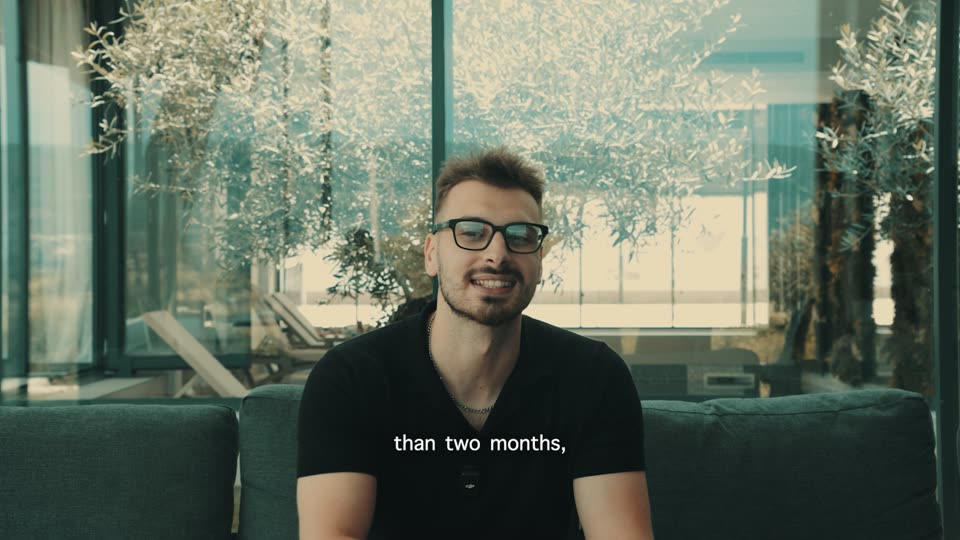 Ilija AndrićFounder, Behavio Group
#What pre-call nurture is and why it exists
Pre-call nurture is the deliberate set of touches between a prospect's yes and the scheduled call that keeps them committed, oriented, and warm. We are Behavio Group (a B2B lead generation and appointment-setting firm), and the founder writing this is Ilija Andrić. We treat pre-call nurture as pipeline defense, not extra marketing.

By the time a slot lands on your calendar you have already spent the ticket, the enrichment, the sending infrastructure, and the setter's reply-handling time. Nurture protects that sunk cost in the days before the call. A booking is only worth what shows up.
The reason it exists is decay. Buying interest peaks the moment a prospect agrees to talk, then erodes hour by hour as their inbox refills and the original trigger fades. A video sales letter (a recorded pitch the prospect watches before the call) and a tight reminder cadence hold that interest in place. The work is unglamorous: confirm, frame, remind, and re-engage. Done right, it converts a fragile yes into a kept appointment.
One example shows the shape. A Tier 2 iGaming client books a call on Monday for a Thursday slot; between those days the prospect receives a same-day confirmation in the existing thread, a 6-minute VSL on Tuesday, and a one-line reminder Thursday morning. They arrive having already seen the premise.
#Show rate versus close rate: two problems, two fixes
Show rate and close rate measure two different leaks, and treating them as one wastes the fix. Show rate (the percentage of booked calls the prospect actually attends) is an attendance problem solved by confirmation and reminders. Close rate (the percentage of attended calls that become deals) is a conviction problem solved by framing and proof. Pre-call nurture mostly defends the first; a video sales letter mostly lifts the second. You need both, because a high show rate full of cold arrivals still closes poorly.
The mechanism splits cleanly. Reminders fight forgetfulness and competing priorities, which is why a one-hour reminder moves attendance more than any clever copy. The VSL fights the slow start, where the first fifteen minutes of a live call get spent re-explaining what the prospect already half-knew. Move that explanation into a recording they watch on their own time, and the live call opens at fit and pricing. We cover the surrounding numbers in outbound metrics that matter.
| Lever | Primary metric it moves | Mechanism |
|---|---|---|
| 24h and 1h reminders | Show rate | Keeps the appointment trigger alive against forgetting |
| Confirmation in the reply thread | Show rate | Anchors the yes in the original conversation, not a generic invite |
| Video sales letter | Close rate | Pre-sells the premise so the live call starts at fit |
| Pre-call brief or agenda | Close rate | Sets expectations so the prospect arrives with the right questions |
A formation-firm example separates them. One client had an 82% show rate but a weak close rate; the calls happened, yet prospects arrived blank and the founder burned half the slot on context. Adding a VSL fixed the close side without touching the already-healthy show side. Diagnose which number is actually broken before you build the sequence.
#How we build the pre-call nurture sequence
Building the nurture sequence means scripting every touch between the yes and the call so each one earns its place. We keep it short on purpose: three to four touches for a typical two-to-four-day window, never a drip campaign. Each touch has one job, and we cut anything that does not directly defend attendance or sharpen the framing. Over-sending in this window is the fastest way to look needy and trigger a cancel.
- Confirm same-day inside the existing reply thread, restating the exact time and timezone
- Send the VSL 24-48 hours out with a single sentence on why it is worth six minutes
- Send a value touch the day before: a one-line agenda or a relevant proof point
- Send a short reminder the morning of the call, asking only for a thumbs-up reply
Sequencing matters more than volume. The confirmation has to live in the thread the prospect already replied in, not a separate calendar invite from a tool they do not recognize, because continuity is what makes the booking feel real. The morning-of reminder asks for a micro-commitment, a reply, which both confirms attendance and re-fires the trigger. For the upstream handoff that feeds this, see appointment setting for high-ticket B2B.
Concrete example. For a $42,000-contract iGaming prospect, the day-before touch is a two-sentence note naming a comparable operator we helped, with no link and no ask. It signals relevance, keeps the thread warm, and gives the prospect a reason to keep the slot. That single message reliably lifts attendance on long-window bookings.
- 1Booking confirmedInstant confirmation + calendar hold the moment the reply turns into a slot.
- 2Send the VSLA 3 to 5 min scripted video that frames the problem and previews the call agenda.
- 3Value touchOne relevant proof point or case detail mapped to their vertical, no pitch.
- 4Reminder + reschedule24h and 1h nudges with a one-click reschedule so a busy day doesn't become a no-show.
- 5Warm handoff to the callRep joins with context the prospect already saw, so minute one is signal not setup.
Our Tier 2 pre-call protocol, what runs between the booking and the call.
#How to structure a video sales letter that pre-sells
A video sales letter is a 6-12 minute recorded pitch built to do the framing work before the live call, not to replace it. A video sales letter earns its length only if it advances the buyer, so we structure it as a filter rather than a hype reel. The goal is a prospect who arrives already agreeing on the problem, roughly aware of the approach, and self-selected out if they are a poor fit. That last part matters: a VSL that loses the wrong prospects is doing its job.
The anatomy is fixed even when the script changes. Open by naming the specific problem the prospect's segment faces, in their language, within the first thirty seconds. Show the mechanism, not just the outcome, because high-ticket buyers distrust results with no visible method.
Then state who this is not for, which builds credibility and trims unqualified shows. Close with exactly what the live call will cover, so the prospect knows the next step is a working session, not a second pitch.
- Problem named in the buyer's own words, in the first 30 seconds
- The mechanism shown plainly, so the result looks earned, not claimed
- An explicit who-this-is-not-for to filter weak-fit attendees
- A clear preview of what the live call will decide
Real numbers anchor the proof section without inflation. We point to anonymized campaign data we can stand behind, for example a client run of 9,361 sends that produced 75 positive replies and a 47.5% top reply rate, or a campaign at 9.35% open with 9,486 contacts engaged. The walkthrough on how to book qualified sales meetings shows where those calls originate.
#Why qualification has to come before nurture
Qualification before nurture is the rule that keeps the conversion layer honest, because nurture amplifies fit, it does not create it. Run a polished sequence on a prospect who never had budget or authority, and you get a well-informed no-show or a courteous decline. The nurture made the rejection more articulate, nothing more. We qualify on offer fit, deal size, and decision authority before a slot is ever offered, so every touch downstream lands on someone worth keeping warm.
The dependency runs one direction. Sourcing decides who enters the pipeline, qualification decides who gets a slot, and only then does nurture decide whether that slot holds. Skip a stage and the later stages inherit the error.
A wrongly-qualified booking that shows up still cannot close, so the show-rate work was spent defending a meeting that was never going to convert. A sharply qualified booking, whereas, rewards every nurture touch with a real shot at a deal.
Example from the floor. We dropped a sourced contact who looked perfect on paper but turned out to be a junior analyst with no buying power; nurturing them would have produced a friendly call and zero pipeline. Authority is the filter that protects the entire conversion layer. Unlike volume-first programs, we would rather book fewer, qualified calls and defend all of them than book many and nurture noise.
#Measuring the layer, and whether to build it
Measuring pre-call nurture means tracking held-qualified-meeting rate and post-VSL close rate, not raw bookings, so the conversion work ties to revenue. A bookings count cannot tell you whether the nurture layer earned its keep. We watch two numbers: the share of qualified bookings that actually hold, which exposes show-rate leaks, and the close rate on calls where the prospect watched the VSL versus those who did not, which isolates the framing lift. If the second number does not move, the VSL is the problem, not the prospect.
On build versus buy, the question is whether conversion is a permanent in-house competency for you. Choose to build when you run enough volume to justify a dedicated owner for scripts, video, and reminder ops, and you want that asset to compound internally. The better choice is a managed layer when you need it working this quarter and would rather not staff video production and reply discipline yourself. For us it ships inside the service tiersattached to bookings we already source and set.
| Factor | Build in-house | Managed (Tier 2) |
|---|---|---|
| Time to live | Weeks to hire and script | Active from the first booking |
| VSL production | Your team scripts and records | Built and iterated for you |
| Reminder discipline | Needs a dedicated owner | Run by the setting team |
| Best when | Conversion is a core competency you want to own | You need show and close protected now |
A closing example ties it together. A Tier 2 company-formation client moved from a bare scheduling link to a confirmed, VSL-backed sequence, and the win was not more bookings, it was more of the same bookings holding and closing. That is the whole point of pre-call nurture: it does not grow the top of the funnel, it stops the bottom from leaking. Sell a $5,000-plus offer and watch calls get booked but not held, and this is the layer to fix first.
Real campaign signal (Case B) plus our honest operating ranges for the pre-call window.
Behavio Group field data
What our own campaigns actually show
Across our Tier 2 campaigns, the call that gets booked and the call that actually shows up are two different conversion events. A booked slot with no VSL or nurture between booking and start time is where we typically lose 20 to 35% of meetings; a short VSL plus two value touches narrows that gap before the prospect ever joins.
“A booked call is a promise, not a meeting, the VSL you send between the booking and the start time is what decides which one you get.”
Ilija Andrić, Founder, Behavio Group
Frequently asked questions
What is pre-call nurture in a high-ticket sales process?
Pre-call nurture is the set of confirmation, reminder, and framing touches sent between a booked yes and the scheduled call. Its job is to defend a meeting you already paid to book by keeping the prospect committed and informed, so they show up warm rather than canceling or arriving cold.
How long should a video sales letter be before a sales call?
A video sales letter for a pre-call slot runs 6 to 12 minutes. That is long enough to name the problem, show the mechanism, and filter weak-fit prospects, but short enough that a busy buyer will actually finish it before the call. Anything longer starts costing you the very attendance the VSL is meant to protect.
Does pre-call nurture improve show rate or close rate?
Pre-call nurture mostly improves show rate through confirmation and reminders, while the video sales letter mostly improves close rate by pre-selling the premise. They solve different leaks, so diagnose which number is broken first; reminders fix attendance, and the VSL fixes a live call that starts cold.
Should I qualify a prospect before adding them to a nurture sequence?
Qualifying before nurture is mandatory, because nurture amplifies fit rather than creating it. Running a polished sequence on a prospect with no budget or authority only produces a well-informed no-show or a courteous decline, so confirm offer fit, deal size, and decision authority before any slot is offered.
How do you measure whether pre-call nurture is working?
Measuring pre-call nurture means tracking held-qualified-meeting rate and the close rate of prospects who watched the VSL versus those who did not. Raw bookings hide the answer; the held rate exposes show-rate leaks and the split close rate isolates the framing lift, so both tie the conversion layer to revenue.
From Ilija Andrić, Founder, Behavio Group
Want this running for your offer?
Book a 30-minute call and we'll map the events worth working for your ICP, then quote you.
Book a 30-min call →